


We all know what they say: the way to someone’s heart is through… their mouth!
Okay, okay, maybe that’s not quite how it goes, but it is true that there is a strong, proven connection between your oral health and your heart health.

It all starts with your gums. Having gum (periodontal) disease increases the risk of getting heart (cardiovascular) disease. Gum disease causes inflammation, which can spread to blood vessels throughout your body due to traveling bacteria. The bacteria spread from your mouth to other areas, including your heart. Inflamed blood vessels can become damaged, and they can also lead to blood clots, heart attacks, and stroke.

Gum disease and heart disease also share many risk factors. These include:
- Tobacco use
- Unhealthy diet
- Excess alcohol use
- Diabetes
These things increase the risk of developing gum or heart disease separately or both at once.
Gum disease also causes tooth loss, and studies have shown that having fewer teeth is associated with higher rates of heart disease. If you notice any early signs of gum disease, such as red, puffy, tender, or bleeding gums, you should see your dentist right away to treat it so the disease doesn’t worsen, leading to more severe symptoms and tooth loss.
Keeping your teeth, mouth and gums healthy is essential to maintaining your overall health. Good dental health can help avoid other serious complications and diseases throughout the body.

Here are things you can do to reduce your risk of gum and/or heart disease:
- Brush and floss your teeth every day. Make sure you are brushing twice, for two minutes with fluoride toothpaste.
- Get plenty of regular exercise and avoid long periods of inactivity.
- Drink water.
- Cut back on or avoid alcohol.
- Quit tobacco (smoking, chewing, vaping, etc.).
- Eat a heart healthy diet. Include lots of nutritious fruits and vegetables on your plate regularly.
- Seek out preventive care regularly for both your general and dental health.
- Keep both your doctor and your dentist informed on any conditions or diseases you may develop. For instance, it is a great idea to alert your dentist if you have been diagnosed with heart disease. Also, make sure they are aware of any medications you are taking.
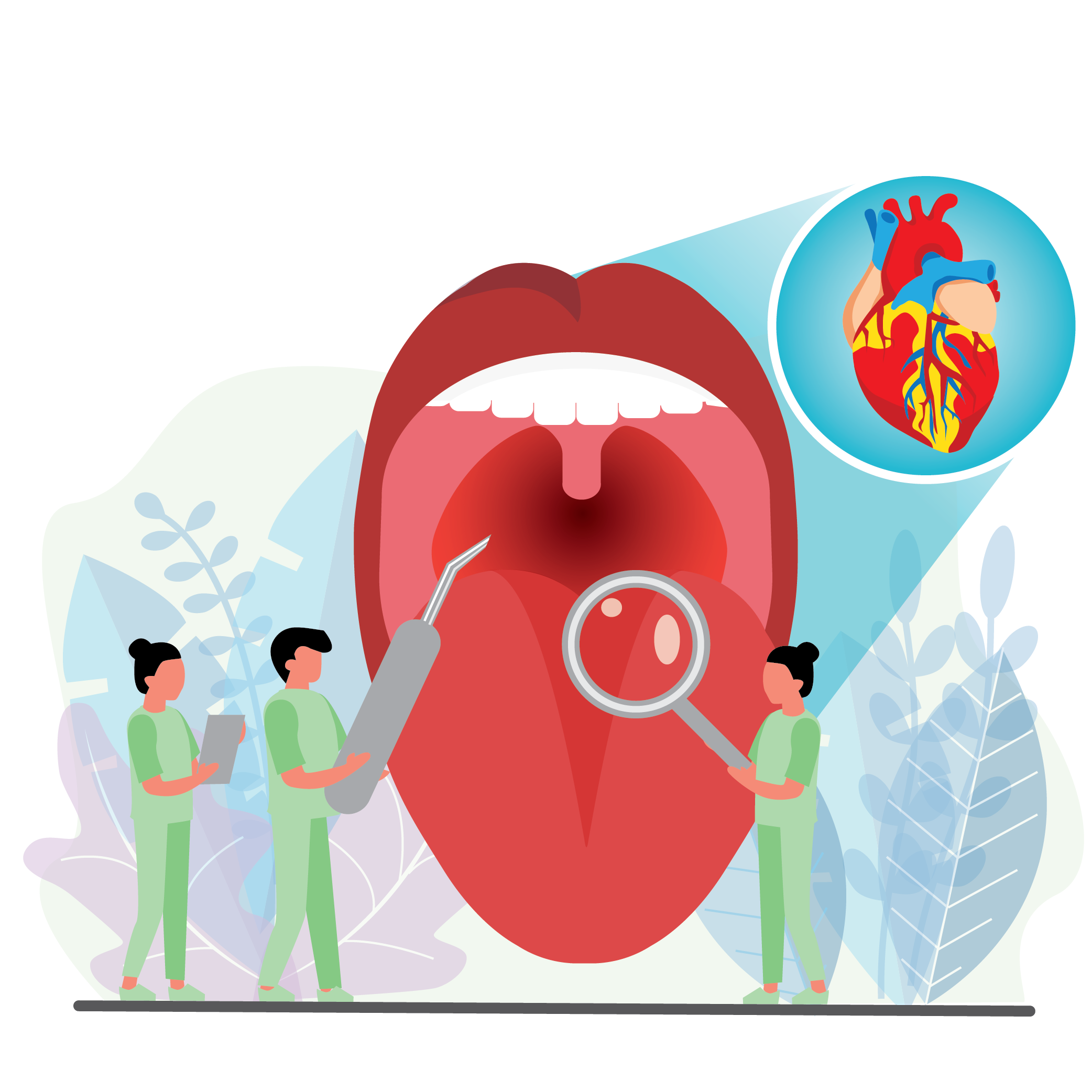
Unfortunately, gum disease is extremely common for adults – half of those over 30 have it, along with 60% of people over the age of 65. Heart disease is the leading cause of death for adults in the United States. Because of the prevalence of these two conditions and their links to one another, it is very important to be aware and take steps to keep yourself gum- and heart disease-free.
Sources:
- American Heart Association - The Connection Between Oral Health and Heart Health
- Delta Dental - Your heart and your smile
- Harvard Health - Gum disease and the connection to heart disease
- 2026 Dietary Guidance to Improve Cardiovascular Health: A Scientific Statement From the American Heart Association
This information in this post is for general educational purposes only and does not warrant or represent any information as related to health as specifically appropriate for you. It is not intended to be medical advice or replace the relationship that you have with your health care providers. You should always seek medical advice on any diagnosis or treatment from a qualified health care provider. The information is provided “as is” without any representations or warranties, express or implied.


